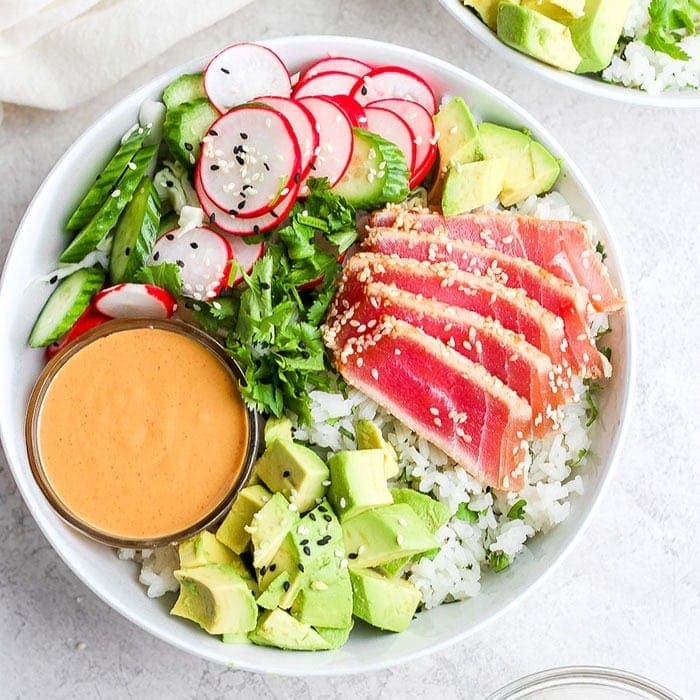
Mastering the Art of Seared Ahi Tuna Poke Bowls: Your Ultimate Home Chef Guide
Imagine a vibrant dish, bursting with fresh flavors, contrasting textures, and a melt-in-your-mouth experience that transports you straight to a Hawaiian beachfront. We're talking about the magnificent
seared ahi tuna poke bowl – a culinary masterpiece that might seem restaurant-exclusive but is surprisingly achievable in your own kitchen. This comprehensive guide will empower you to perfect every element, from flawlessly searing the tuna to crafting an irresistible dressing, ensuring your homemade poke bowl is nothing short of extraordinary.
Many home cooks shy away from preparing fish, especially raw or seared tuna, due to perceived difficulty. But fear not! Mastering
seared ahi tuna is far simpler than you think, opening up a world of fresh, healthy, and incredibly satisfying meals. Our journey today will not only demystify the process but also inspire you to recreate one of Hawaii's most beloved dishes with confidence and flair.
What Makes a Seared Ahi Tuna Poke Bowl So Special?
At its heart, "poke" (pronounced poh-keh) is a traditional Hawaiian dish of diced raw fish, seasoned with various ingredients. Historically, it was a fisherman's snack, made from the trimmings of their catch. Over time, it evolved into the beloved dish we know today, often served as an appetizer or incorporated into a more substantial meal.
The concept of a "poke bowl" elevates this simple dish into a complete meal, typically featuring a base of rice, an abundance of fresh vegetables, and, of course, the star – the poke. Our focus on a
seared ahi tuna poke bowl adds an exciting dimension. While traditional poke is almost always raw, searing the ahi tuna introduces a warm, slightly crispy exterior with a buttery, rare interior. This creates a fascinating interplay of textures and temperatures – the warm rice, cold, crisp veggies, and the perfectly seared, tender tuna – that is utterly irresistible.
The beauty of a poke bowl lies in its versatility. It's a canvas for creativity, allowing you to customize ingredients to your preference while maintaining a healthy and incredibly flavorful profile. It's also an excellent way to enjoy tuna, especially if eating an entire raw tuna steak feels like a bit much. The combination of succulent tuna with accompanying fresh ingredients provides a balanced and delightful eating experience.
The Star Attraction: Perfecting Your Seared Ahi Tuna
The secret to an unforgettable
seared ahi tuna poke bowl lies in the tuna itself. Don't be intimidated; with a few key tips, you'll be searing like a pro in no time.
1. Sourcing Sushi-Grade Tuna
This is perhaps the most crucial step. For a dish that features rare or raw fish, quality is paramount. Always seek out
sushi-grade or
sashimi-grade ahi tuna. This designation indicates that the fish has been handled and processed to a standard safe for raw consumption. Your local fishmonger or specialty grocery store is the best place to find this. Look for tuna with a vibrant, deep red color and a firm texture. Avoid any fish that looks dull, discolored, or has a strong "fishy" odor.
2. The Flavorful Marinade
A good marinade not only infuses your tuna with incredible flavor but also helps tenderize it slightly. While traditional Hawaiian poke might use a simpler seasoning, for a seared ahi tuna poke bowl, we're taking it up a notch.
A fantastic marinade blend includes:
*
Soy Sauce: The umami base.
*
Sesame Oil: Adds a nutty, aromatic depth.
*
Fresh Grated Ginger: A zesty, warming kick.
*
Red Chili Sauce (like Sriracha or Gochujang): For a touch of heat.
*
Lime Juice: Brightness and acidity.
*
Sesame Seeds: For added texture and flavor, both in the marinade and as a crust.
*
A Drizzle of Olive Oil: Helps bind the marinade and aids in searing.
Whisk these ingredients together in a shallow dish, add your tuna steaks, ensuring they are fully coated, then cover and refrigerate for at least 30 minutes. For deeper flavor, you can marinate the tuna for up to 2-4 hours, or even overnight for maximum infusion. However, be mindful that acidic ingredients like lime juice can start to "cook" the fish if left too long.
3. Achieving the Perfect Sear
Once marinated, remove your tuna steaks from the fridge and pat them thoroughly dry with paper towels. This is critical for achieving a good sear. Next, coat the tuna steaks generously with extra sesame seeds on all sides. A mix of white, black, and even tri-color sesame seeds creates a visually stunning crust.
Now, for the searing:
*
Heat the Pan: Use a heavy-bottomed skillet, preferably cast iron, over medium-high to high heat. You want it smoking hot.
*
Add Oil: A high smoke point oil like avocado oil, grapeseed oil, or a touch of sesame oil is ideal.
*
Sear Quickly: Place the sesame-crusted tuna in the hot pan. Sear for 30-60 seconds per side for a very rare interior, or up to 90 seconds for medium-rare. The goal is a beautifully golden-brown crust with a cool, pink center.
*
Rest: Remove the tuna from the pan and let it rest on a cutting board for a couple of minutes. This allows the juices to redistribute.
*
Slice: Using a very sharp knife, slice the tuna against the grain into ½-inch thick pieces. The vibrant pink interior against the sesame crust will be a sight to behold.
For a deeper dive into the nuances of perfectly searing tuna, you might find our article
Easy Seared Ahi Tuna Poke Bowl Recipe: A Home Chef's Guide particularly helpful.
Assembling Your Ultimate Seared Ahi Tuna Poke Bowl
With your exquisite seared tuna ready, it's time to bring all the elements together. This is where your creativity truly shines.
1. The Foundation: Rice or Alternatives
Traditionally, poke is served with hot rice. The contrast between the warm rice and cool, fresh toppings is a hallmark of an authentic poke bowl experience.
*
Cilantro-Lime Rice: A popular choice, adding an aromatic, zesty base.
*
Jasmine Rice: Fluffy and fragrant.
*
Sushi Rice: Slightly sticky, perfect for chopsticks.
*
Forbidden (Black) Rice: Offers a dramatic color and nutty flavor.
*
Cold Rice? While hot rice is typical, some prefer cold, vinegared rice, similar to sushi. Feel free to experiment!
If you're looking for a low-carb alternative, consider cauliflower rice or a bed of mixed greens.
2. The Freshness Factor: Vibrant Veggies & Toppings
This is where your bowl comes alive with color and crunch. Think about balancing different textures and flavors.
*
Cucumber Salad: Light, refreshing, often dressed with rice vinegar.
*
Avocado: Creamy, rich, and essential.
*
Shredded Carrots: Adds sweetness and crunch.
*
Edamame: Nutty and protein-rich.
*
Radishes: A peppery bite.
*
Mango: For a touch of tropical sweetness.
*
Seaweed Salad: A classic pairing.
*
Green Onions/Scallions: Fresh, mild onion flavor.
*
Jalapeños: For those who love an extra kick.
3. The Unifying Element: The Poke Bowl Dressing
Beyond the tuna marinade, a separate dressing often brings all the components together. While the traditional poke sauce features soy sauce, sesame oil, and chili, you can explore other options:
*
Classic Poke Dressing: A blend of soy sauce, sesame oil, rice vinegar, a pinch of sugar, and a dash of sriracha.
*
Creamy Sriracha Mayo: Often made with Kewpie mayo for its rich, eggy flavor, mixed with sriracha and a squeeze of lime.
*
Ginger-Sesame Dressing: A lighter, bright option with fresh ginger, soy sauce, sesame oil, and rice vinegar.
Drizzle generously over your assembled bowl or serve on the side.
Tips for Success and Customization
*
Play with Protein: While ahi tuna is king, you can also make fantastic poke bowls with sushi-grade salmon or yellowtail (often used in traditional Hawaiian poke).
*
Mix it Up: Don't be afraid to combine elements from different cuisines. A touch of kimchi or pickled ginger can add another layer of complexity.
*
Presentation Matters: A beautifully plated poke bowl is half the experience. Arrange your components artfully in a bowl, showcasing the vibrant colors. Garnish with fresh cilantro, extra sesame seeds, or thinly sliced nori strips.
*
Make it a Meal Prep Dream: Prepare your rice, chop your vegetables, and mix your dressing ahead of time. Sear the tuna just before serving for the freshest taste.
*
Restaurant Quality at Home: For more ideas on how to elevate your poke bowl to restaurant standards, check out our guide on
Vibrant Seared Ahi Tuna Poke Bowl: Restaurant Quality at Home.
Conclusion
Creating a
seared ahi tuna poke bowl at home is a rewarding culinary adventure. It's a dish that's not only incredibly fresh, healthy, and delicious but also surprisingly easy to master. From selecting the finest sushi-grade tuna to perfecting its quick sear, and then assembling a harmonious bowl of vibrant ingredients, each step contributes to a truly memorable meal. So, gather your ingredients, unleash your inner chef, and prepare to impress yourself and your loved ones with this exquisite taste of paradise right in your own kitchen.